
Termite Inspection
Technicians walk the foundation, probe sill plates, and check attic framing for mud tubes, frass pellets, and moisture stains that indicate active colonies.
Pest control · the USA
Legion Termite Control sends technicians across the USA to locate termite colonies in soil and wood then installs baits or liquid barriers matched to the species found.
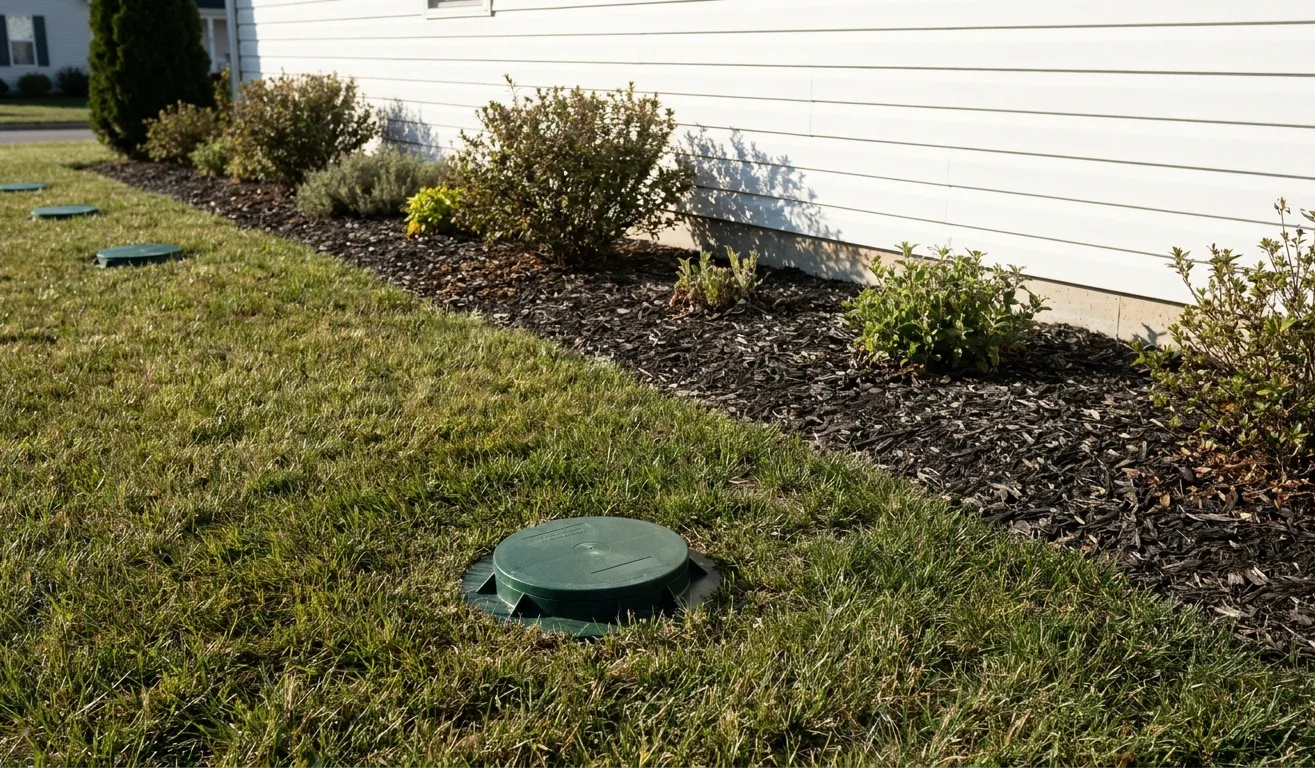
Technicians trace shelter tubes back to moisture sources and probe joists for hidden galleries before any product is placed.
Subterranean colonies receive bait stations while drywood groups are treated with targeted dust or foam inside galleries.
Stations remain in place and are rechecked on schedule so new activity is recorded before damage extends to new timbers.
Each service below addresses a distinct termite or wood-destroying insect problem. Technicians select methods after direct inspection of the structure and surrounding soil.
Technicians walk the foundation, probe sill plates, and check attic framing for mud tubes, frass pellets, and moisture stains that indicate active colonies.
Bait stations are installed in soil around the perimeter while any active tubes inside are treated with non-repellent liquid to reach the main colony.
Small holes are drilled into galleries and insecticidal dust is blown through the connected chambers so the colony spreads the material during grooming.
Stations containing slow-acting bait are placed in the ground at intervals and monitored quarterly so foraging workers carry material back to the nest.
A non-repellent termiticide is applied to soil under and around the foundation to create a treated zone that termites cross and carry into the colony.
Soil under the future slab and along footings receives termiticide before concrete is poured so the barrier is continuous from the start.
Nests are located in moist or damaged wood, then bait and direct treatment remove the colony without widespread spraying of living areas.
Surface treatments and injection into exit holes target larvae inside structural timbers while moisture sources are corrected to prevent re-infestation.
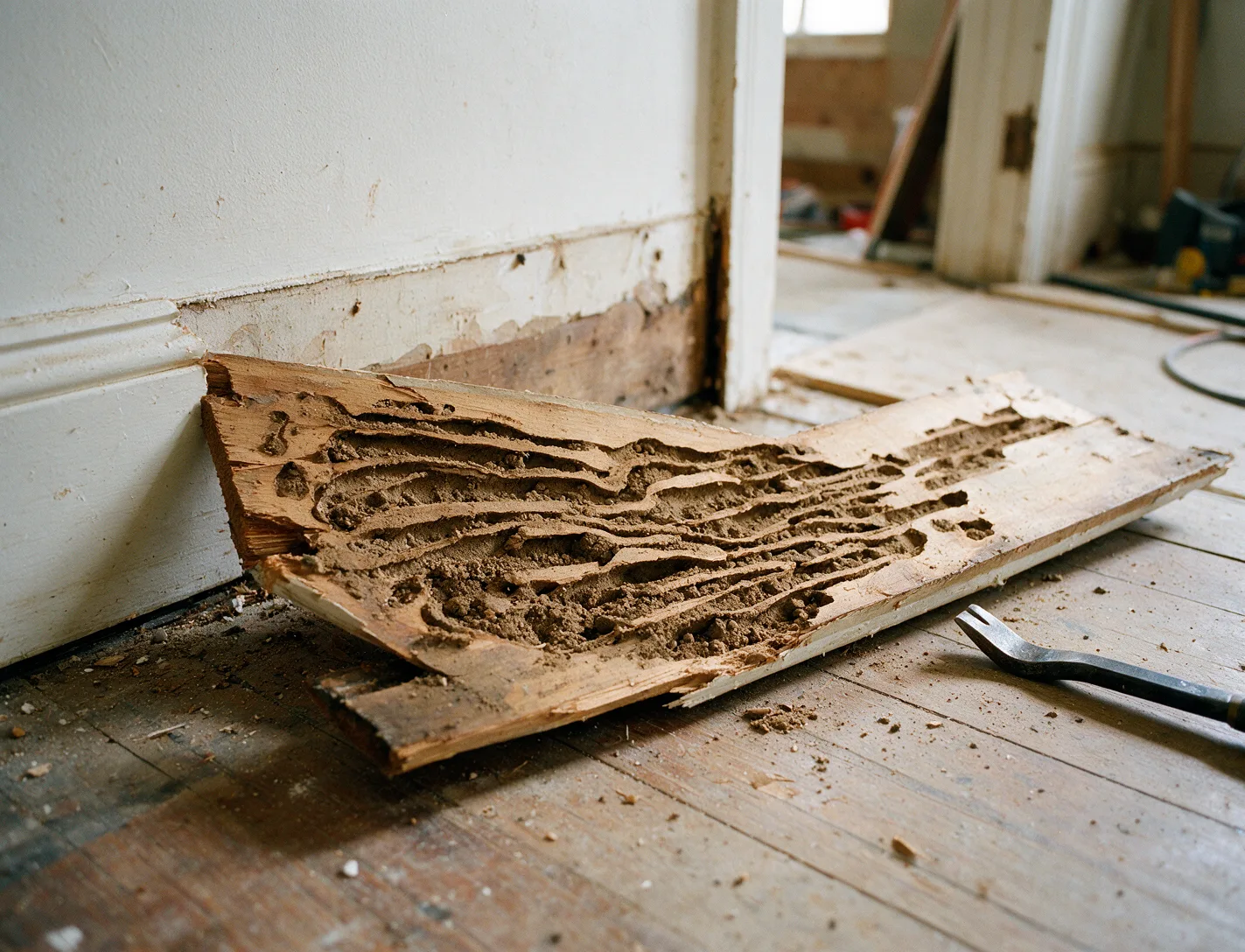
Homeowners notice small piles of sawdust-like pellets near baseboards or windowsills. These pellets are fecal matter from drywood termites and indicate galleries inside the wood. Subterranean termites leave earthen tubes along foundation walls or across concrete that connect soil to wood members. Probing joists with a screwdriver reveals soft spots where galleries have removed structural strength. Darkening or blistering of paint on trim can also signal hidden moisture that supports termite activity.
Turn off any indoor water source that may be feeding damp soil near the foundation. Move stored boxes and firewood away from exterior walls so technicians can see the base of the siding and any tubes. Note the exact rooms where pellets or tubes appear and avoid disturbing those areas until the inspection occurs. Photograph the findings with a phone so the location can be described accurately when calling for service.
Legion Termite Control follows a four-step sequence that begins with direct observation and ends with scheduled monitoring to confirm colony elimination.
Every accessible wood member and the soil perimeter are examined for tubes, frass, and moisture so the species and colony location are identified before any product is applied.
Samples of pellets or tube material are checked under magnification to separate subterranean from drywood termites because the two groups require different placement of baits or liquids.
Stations or liquid barriers are installed at recorded locations and any interior galleries receive direct material so the colony receives the active ingredient through normal foraging and grooming.
Stations are opened on a set schedule and new tubes or pellets are noted so any rebound activity is caught early and additional bait or liquid can be added if needed.
Technicians begin at the exterior grade and look for active tubes, then move inside to check crawl spaces or basements for soil-to-wood contact. They use a moisture meter on framing and lift insulation to inspect sill plates. Once the species and extent are recorded, stations or liquid applications are placed only where needed. Access holes are kept minimal and sealed after treatment so the structure remains intact.
After treatment the wood is re-probed to determine how much structural fiber remains. Joists that still carry load but show surface damage receive sistering with new lumber. Members with extensive gallery networks that compromise bearing capacity are cut out and replaced. Technicians mark each affected board during the inspection so the scope is clear before any carpentry work begins.
The size of the structure and the amount of accessible soil around the foundation determine how many stations or how much liquid is required. The species also matters because drywood termites often need interior drilling while subterranean work stays mostly outside. Depth of infestation and whether crawl spaces or attics must be entered add labor time. Older homes with multiple additions may require extra probing to map all connections between untreated soil and wood.
Older homes often have multiple moisture entry points from settling foundations or aging gutters that create favorable conditions for termites. Technicians pay extra attention to dirt-filled porches and unvented crawl spaces common in pre-1960 construction. In rental properties the focus is on documenting activity in common walls and reporting findings so owners can coordinate treatment between units without repeated disruption to tenants.
Look for mud tubes along the foundation or small piles of pellets near windows. Probing baseboards with a screwdriver may reveal hollow sound or soft spots where galleries have formed inside the wood.
Retail products rarely reach the main colony. Technicians place baits or barriers at the soil interface where termites travel and monitor those locations over time so the entire group is affected.
Stations are installed in small holes spaced along the perimeter. Liquid applications use low-volume equipment that targets soil only, leaving grass and shrubs undisturbed once the work is finished.
Bait systems work over weeks as workers carry material back to the nest. Liquid barriers stop new foraging immediately but full confirmation requires follow-up checks at the stations.
Most exterior work occurs outside the living space. Interior treatments use small holes that are patched once the treatment is in, so occupants can remain in the home.
Return visits are part of the monitoring schedule. New tubes or pellets are recorded and additional bait or liquid is applied at the same locations to maintain control.
Legion Termite Control inspects structures across the USA and installs species-specific baits or barriers to stop active colonies.